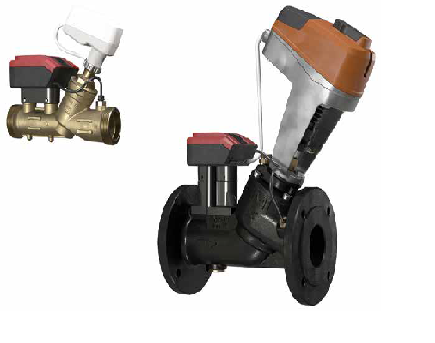
Heating and cooling systems are under pressure from many sides today: rising energy costs, sustainability requirements, extreme heat and decarbonisation targets. According to IMI, when a building does not perform as it should, the cause is rarely a single component. It is usually the way the whole hydronic system behaves.
The usual causes
- Poor balancing and incorrect flow rates at the terminal units.
- Unstable differential pressure as the load changes.
- Modifications, extensions, renovations and changes in building use.
- Ageing equipment and limited documentation, very common in retrofits.
- Difficult commissioning.
The result is uneven heating and cooling, higher energy use, higher operating costs and less comfort for the people who live or work in the building.
IMI's approach
- Balancing, so every part of the system gets the flow it needs at design and at part load.
- Differential pressure management for stable operation as demand changes.
- System optimisation and application engineering.
- Commissioning support.
- Digital monitoring and smart control for full visibility of performance.
Where it applies
In retrofits, analysing how the existing system behaves shows which balancing, control or commissioning improvements are needed, without replacing the whole system. In extensions, it makes sure new and existing areas work properly together. The benefits IMI cites are better energy efficiency, lower operating costs, a longer life for the existing installation and consistent comfort.
If an installation in your building is not performing as expected, our engineers can help you find the cause.