
In summer 2026 Europe went through three major heatwaves, with temperatures above 40 °C in several countries. Extreme heat is no longer an isolated event. Yet according to the World Resources Institute, only about 20% of European buildings have cooling. IMI looks at how existing buildings can cope.
Homes: a heat pump on the existing pipework
Most homes were designed for heating in winter. Insulation and new windows help, but they are costly and not always possible, and air conditioning is often restricted by regulations. IMI's proposal:
- A reversible heat pump that uses the existing pipework and terminal units of the hydronic system.
- Optionally, rooftop solar PV for lower running costs.
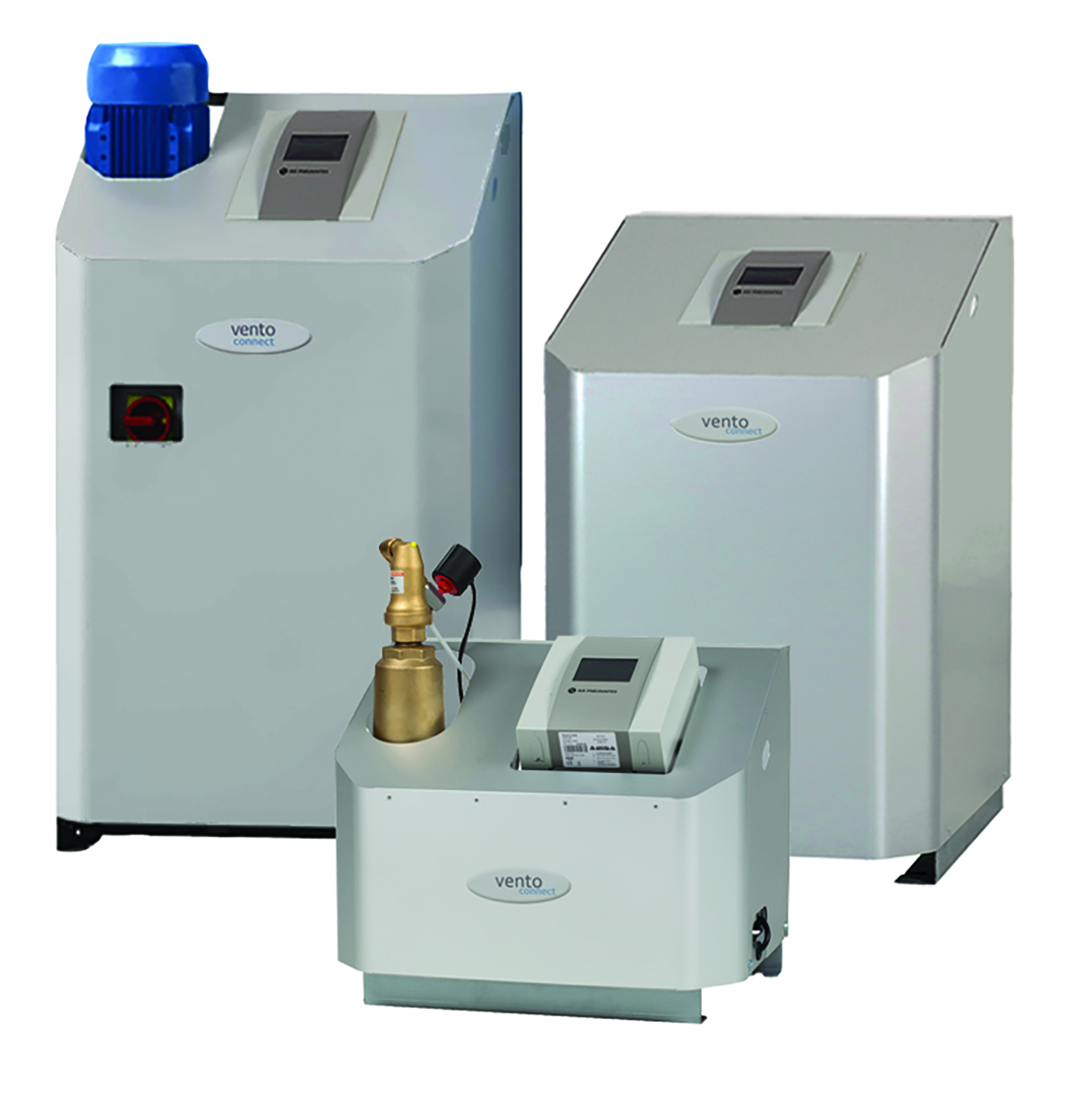
- Attention to water quality and air removal: cooling changes the system's temperatures and seasonal operation, so removing air, gases and dirt protects against corrosion and keeps efficiency high.
Commercial buildings: upgrade instead of replace
Commercial buildings use about 42% of final energy in the EU, so this is where the biggest savings are. IMI recommends renovating and optimising the existing system rather than replacing it. One example is the Court of Appeal in Gothenburg, Sweden: long-standing HVAC problems were solved by analysing the whole hydronic system, giving a more stable indoor climate, better energy performance and a longer system life.
The system as a whole
Cooling only works well when the hydronic system works well as a whole:
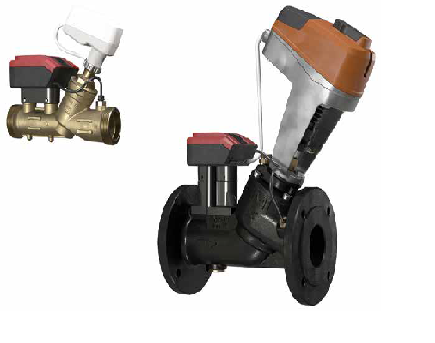
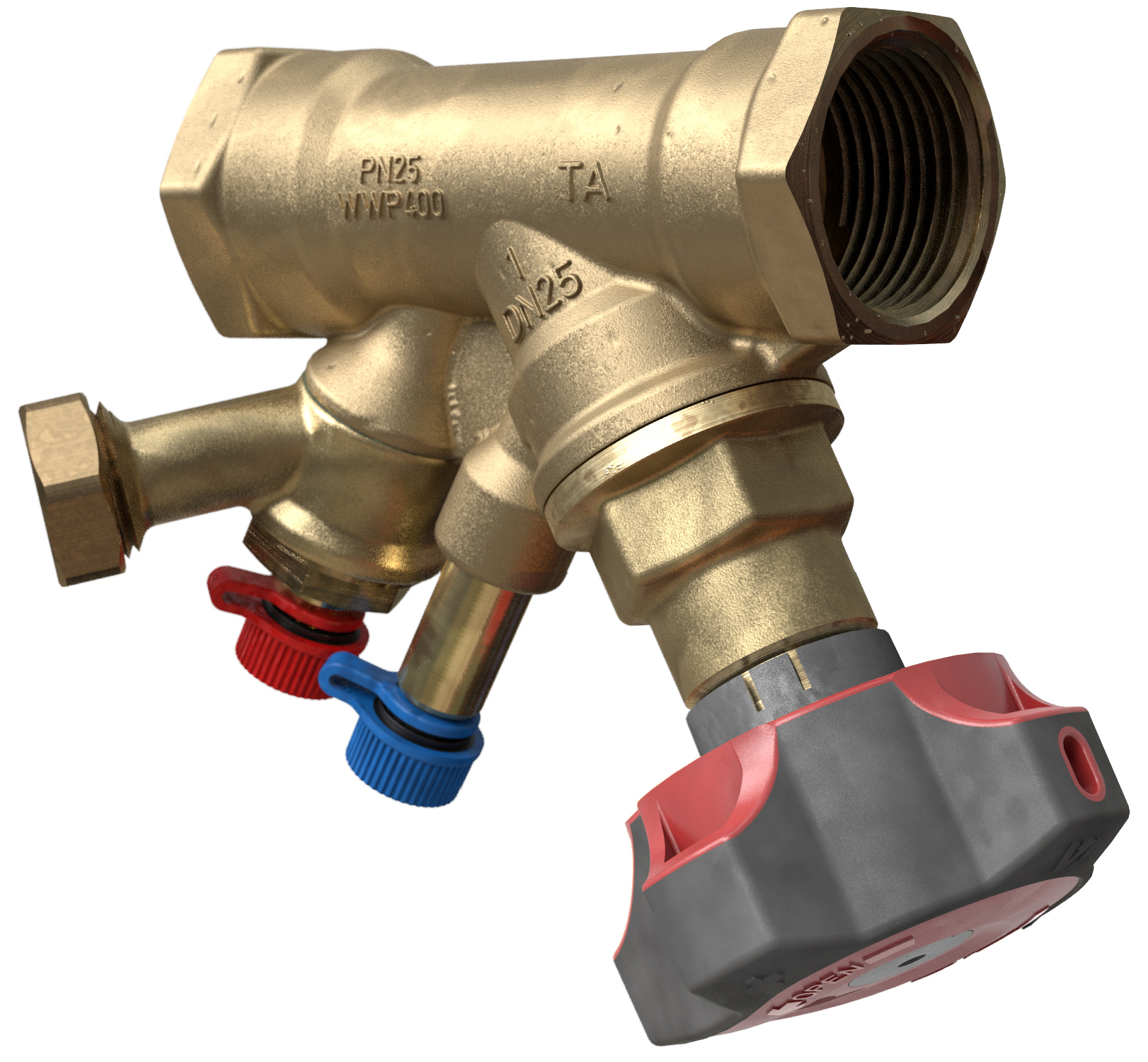
- Balancing, so every terminal unit gets the right flow.
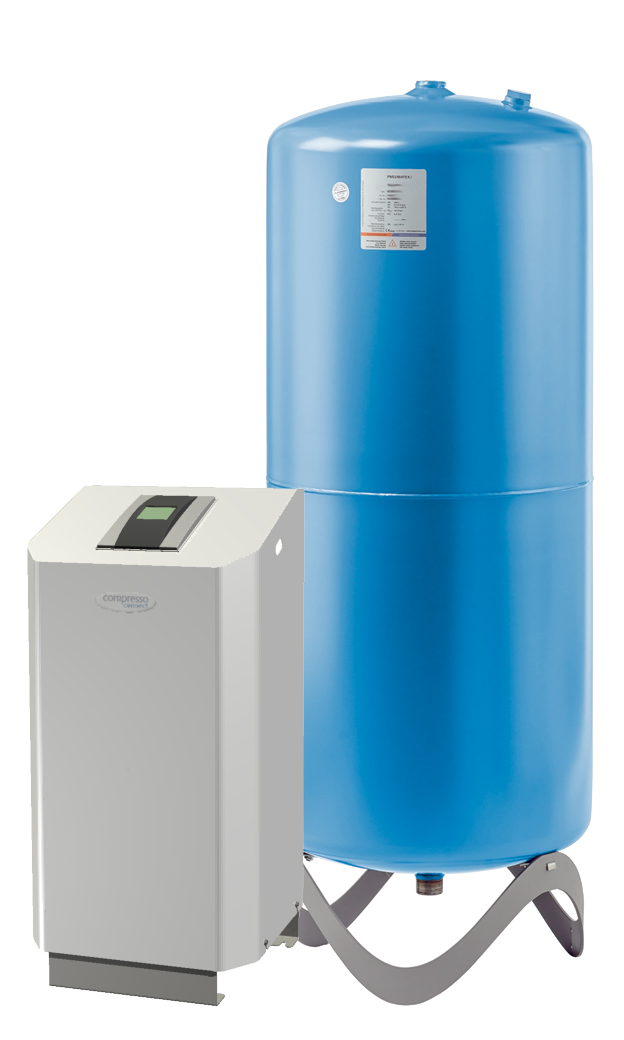
- Pressure maintenance and differential pressure control.
- Water quality: dirt and magnetite separation, degassing.
- Smart monitoring of operation.
In Greece heatwaves are a reality every summer. To plan cooling on an existing hydronic system, talk to our engineers.